

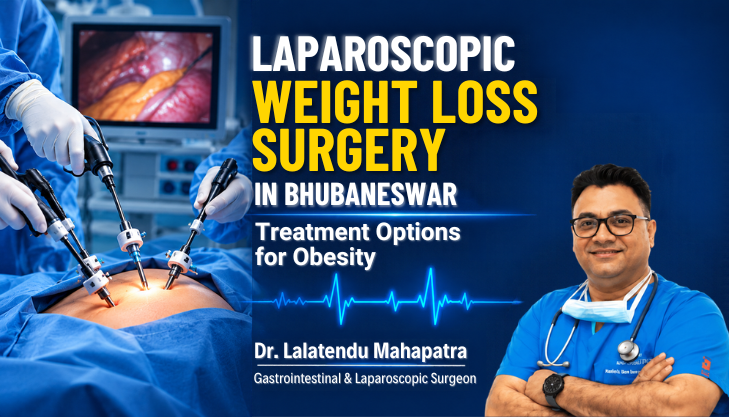
Obesity is more than a concern about body weight or appearance. It is a chronic health condition that can affect blood sugar levels, blood pressure, joint health, sleep, mobility and overall quality of life. For some people, losing weight and maintaining that loss can be difficult despite consistent efforts with diet, exercise and medical treatment.
When these approaches do not provide lasting results, laparoscopic weight loss surgery may be an option worth discussing with a qualified surgeon. For those considering treatment in Bhubaneswar, understanding the available procedures, eligibility criteria, potential benefits and long-term responsibilities can help them make an informed decision.
The right treatment is not the same for everyone. It depends on individual health, obesity-related conditions, previous weight-loss attempts and treatment goals.
Understanding Obesity: More Than a Weight Problem
Obesity is a chronic health condition recognised by the World Health Organization (WHO). It is influenced by genetic, hormonal, environmental and lifestyle factors, not just eating habits or physical activity. In adults, a BMI of 30 or above is generally classified as obesity.
Obesity can affect overall health and increase the risk of Type 2 diabetes, high blood pressure, sleep apnoea, fatty liver disease and heart problems. It can also make everyday activities more difficult and affect quality of life.
Losing weight and maintaining that loss can be challenging, especially for people with severe obesity. When lifestyle changes and other medical treatments do not provide sufficient results, laparoscopic weight loss surgery may be considered for eligible patients. It can support long-term weight management and help improve obesity-related health conditions.
What Is Laparoscopic Weight Loss Surgery?
Laparoscopic weight loss surgery (bariatric surgery) refers to a group of minimally invasive surgical procedures that alter the digestive system to help patients lose a significant amount of weight. The term “laparoscopic” means the surgery is performed through several small incisions (typically 0.5–1.5 cm) using a camera (laparoscope) and specialised instruments – rather than a large open incision.
This minimally invasive approach translates to less pain, faster recovery, minimal scarring, and lower risk of infection compared to traditional open surgery.
I have performed well over 6,000 surgeries in my career, and laparoscopic bariatric procedures remain among the most life-transforming operations I carry out. The patients I operate on do not just lose weight – they reclaim their energy, reduce or eliminate their need for diabetes and blood pressure medications, sleep better, and live more fully.
Bariatric Surgery Options Available in Bhubaneswar
There are several established bariatric procedures, each with a different mechanism, risk profile, and suitability. At Manipal Hospitals, Bhubaneswar, I offer all major evidence-based options. Here is a clear, honest breakdown:
1. Laparoscopic Sleeve Gastrectomy (Gastric Sleeve)
This is currently the most commonly performed bariatric procedure worldwide – and the one I recommend most often for suitable patients in Bhubaneswar.
In a sleeve gastrectomy, approximately 75 to 80 percent of the stomach is surgically removed, leaving a narrow, sleeve-shaped stomach roughly the size of a banana. This dramatically reduces food intake and also lowers levels of ghrelin – the hunger hormone – which helps patients feel less hungry overall.
Key advantages:
- No rerouting of the intestines – simpler anatomy
- Significant weight loss – typically 60 to 70 percent of excess body weight within 18 months
- Effective improvement in Type 2 diabetes, blood pressure, and fatty liver
- No implanted devices or adjustments required
Suitable for: Most patients with BMI 35 or above who want a straightforward, effective procedure.
2. Laparoscopic Roux-en-Y Gastric Bypass (RYGB)
Gastric bypass is considered the gold-standard bariatric procedure and has the longest track record of any weight loss surgery. It works through two mechanisms – restriction and malabsorption.
A small gastric pouch (about the size of an egg) is created from the upper stomach and connected directly to the small intestine, bypassing most of the stomach and the upper section of the small intestine. This limits both how much you can eat and how many calories your body absorbs.
Key advantages:
- Greater and more sustained long-term weight loss compared to sleeve alone
- Superior outcomes for Type 2 diabetes – often leading to complete remission
- Effective for patients with severe acid reflux (GERD) alongside obesity
Suitable for: Patients with BMI above 40, those with poorly controlled diabetes, or patients who have experienced weight regain after sleeve gastrectomy.
3. Laparoscopic Mini Gastric Bypass (One Anastomosis Gastric Bypass – OAGB)
The mini gastric bypass is a simplified variation of the standard bypass, requiring only one surgical connection point (anastomosis) instead of two. It is faster to perform, technically simpler, and carries comparable results to RYGB in well-selected patients.
Key advantages:
- Shorter operative time
- Comparable weight loss and metabolic outcomes to RYGB
- Lower complication rates in some studies
Suitable for: Patients with BMI above 35, especially when faster recovery is a priority.
4. Abdominoplasty (Tummy Tuck)
Abdominoplasty is a body-contouring procedure that removes excess skin and fat from the abdominal area. It may be considered by patients who have loose abdominal skin after significant weight loss, including those who have previously undergone bariatric surgery.
Key benefits:
- Removes excess skin from the abdominal area.
- Improves the appearance and contour of the abdomen.
- Can help address loose skin that remains after substantial weight loss.
Suitable for: Patients with excess abdominal skin who are generally at a stable weight and are medically fit for surgery.
Important: Abdominoplasty does not treat obesity or replace bariatric surgery. It is a separate procedure intended to address excess skin and improve abdominal contour.
What to Expect: Your Bariatric Surgery Journey
Step 1 – Initial Consultation
Your journey begins with a thorough consultation where I review your medical history, current health conditions, BMI, previous weight loss attempts, and your goals. This is not a rushed appointment – I want to understand your full picture before recommending any procedure.
Step 2 – Pre-Operative Evaluation
If surgery is recommended, you will undergo a series of evaluations including blood tests, cardiac assessment, pulmonary function tests, nutritional assessment, and in many cases, a psychological evaluation. Our multidisciplinary team works together to confirm you are prepared for surgery safely.
Step 3 – The Surgery
Most laparoscopic bariatric procedures take between 1 and 3 hours under general anaesthesia. You will be in safe, experienced hands at Manipal Hospitals – a facility equipped with the most advanced laparoscopic and robotic surgical infrastructure in Odisha.
Step 4 – Hospital Stay and Recovery
Most patients stay 2 to 3 days in hospital after surgery. Pain is well-managed with modern protocols, and most patients are walking within hours of the procedure. You will be discharged with detailed dietary and activity guidelines.
Step 5 – Long-Term Follow-Up
Bariatric surgery requires a long-term commitment. You will have regular follow-up appointments at 1 month, 3 months, 6 months, and then annually. Nutritional supplements, dietary adherence, and gradual physical activity are all part of the post-surgical protocol. The surgery is a powerful tool – the lifestyle changes are what make the results permanent.
Diet After Bariatric Surgery: What You Need to Know
Your diet will progress gradually:
- Days 1-7: Clear liquids (water, thin broth, clear juice)
- Weeks 2-4: Full liquids and pureed foods
- Weeks 4-6: Soft, moist foods
- Month 2 onwards: Gradual transition to regular, healthy foods in small portions
Protein intake becomes a priority, as does avoiding high-sugar and high-fat foods that can cause discomfort. For a detailed breakdown of what your plate should look like at each stage of recovery, I recommend reading our complete bariatric surgery diet guide – it walks you through every phase of the post-operative eating plan.
Addressing Common Concerns: Is Bariatric Surgery Safe?
It is natural to have concerns about safety when considering bariatric surgery. Like any major operation, weight-loss surgery carries risks. Understanding these risks, the potential benefits, and the importance of long-term follow-up can help you make an informed decision.
On Safety
Laparoscopic bariatric surgery is generally safe when performed on appropriately selected patients by an experienced surgical team. However, the risk of complications varies depending on the procedure, the patient’s overall health, and the expertise of the surgical centre. Severe obesity itself also increases the risk of conditions such as type 2 diabetes, heart disease, and sleep apnoea. Your surgeon can help you weigh the potential benefits of surgery against its risks.
On Myths
Some patients worry that bariatric surgery is a shortcut to weight loss, that it inevitably causes nutritional deficiencies, or that the weight always returns. In reality, surgery is a medical treatment for obesity that requires lasting dietary changes, appropriate nutritional supplementation, and regular follow-up. To understand the facts behind common misconceptions, read our article on obesity surgery myths vs facts.
On Weight Regain
Bariatric surgery can support significant, long-term weight loss, but individual results vary. Some weight regain can occur over time, particularly without consistent dietary habits, physical activity, and follow-up care. Regular consultations, nutritional guidance, and sustainable lifestyle changes help patients maintain their progress and address concerns early.
Why Choose Dr. Lalatendu Mahapatra for Bariatric Surgery in Bhubaneswar?
Choosing the right bariatric surgeon is perhaps the most critical decision in your weight loss surgery journey. Here is what sets Dr. Mahapatra apart:
✔ 24 years of surgical experience: Across a wide range of laparoscopic and gastrointestinal procedures, with 6,000+ surgeries completed.
✔ Dedicated Fellowship in Bariatric Surgery: Specialised training focused specifically on obesity surgery – not just general surgical exposure to it.
✔ Award-recognised department: The Laparoscopic & Bariatric Surgery Department at Manipal Hospitals Bhubaneswar has received formal recognition for excellence in this specialty across Odisha.
✔ Multidisciplinary team: Surgery is one part of a comprehensive programme that includes nutritional counselling, endocrinology, and psychological support.
✔ Honest, patient-first communication: I do not recommend surgery unless I genuinely believe it is the right option for you. My consultations are thorough, unhurried, and focused on your specific situation.
✔ Advanced infrastructure at Manipal Hospitals, Khandagiri: One of Odisha’s most technologically equipped surgical facilities, with advanced laparoscopic and robotic systems.
Frequently Asked Questions About Weight Loss Surgery in Bhubaneswar
Q: Is laparoscopic weight loss surgery painful?
The laparoscopic approach is significantly less painful than open surgery. Most patients experience manageable discomfort rather than severe pain, and this is well controlled with post-operative medication. The majority of patients are walking the same day.
Q: How much weight will I lose after bariatric surgery?
This varies by procedure and patient. Sleeve gastrectomy typically results in 60 to 70 percent of excess weight loss within 18 months. Gastric bypass often achieves 70 to 80 percent. Long-term results are strongly influenced by dietary adherence and lifestyle changes.
Q: Will I need to take vitamins and supplements after surgery?
Yes. Most bariatric procedures require lifelong supplementation with specific vitamins and minerals – particularly iron, calcium, vitamin D, vitamin B12, and folate. Our nutritional team will guide you in detail on what you need and when.
Q: How soon can I return to work after surgery?
Most patients with desk jobs return to work within 1 to 2 weeks. Those in physically demanding roles may need 3 to 4 weeks. I will give you a personalised timeline based on your procedure and recovery.
Q: Is bariatric surgery covered by health insurance in India?
Many health insurance policies in India now cover bariatric surgery, particularly when it is performed for medical indications such as diabetes or hypertension alongside obesity. I recommend checking your policy details and speaking with the hospital’s insurance team for clarification. The government’s health scheme under Ayushman Bharat also covers specific bariatric procedures in eligible cases.
Further Reading on Our Blog
If you found this guide helpful, you may also wish to read our related articles on bariatric and laparoscopic care:
Understanding Laparoscopic Surgery: What to Expect Before, During, and After Surgery
Taking the First Step
If you have read this far, it tells me something important: you are serious about your health. You are not looking for a quick fix – you are looking for a real, lasting solution.
Laparoscopic weight loss surgery is not the right answer for everyone living with excess weight. However, for eligible patients, it can be an effective, evidence-based option for achieving significant and sustained weight loss.
At Manipal Hospitals, Khandagiri, Bhubaneswar, we can assess your health, discuss your treatment options, and determine whether bariatric surgery is appropriate for you – without any pressure. Schedule an appointment with Dr. Lalatendu Mahapatra to discuss your options.

Related Posts
Piles After 40: Symptoms, Causes and Treatments...
Have you noticed discomfort, itching, or a little blood after using the washroom, and wondered if this is just a normal ...
Read More
What Are the Common Causes of Persistent Abdominal...
Persistent abdominal pain can have many causes, ranging from acidity and digestive disorders to gallstones, hernias, pan...
Read More