
In recent years, laparoscopic surgery has become one of the most preferred treatment options for patients across Odisha. From faster recovery and smaller cuts to reduced pain and shorter hospital stays, many people are now choosing this advanced surgical approach for various gastrointestinal and abdominal conditions.
Patients today are more aware of their treatment choices. They want safe procedures, quicker healing, and minimal disruption to their daily lives. This is one of the main reasons why laparoscopic surgery is gaining popularity in cities like Bhubaneswar and across Odisha.
At the same time, experienced gastrointestinal surgeons and improved healthcare facilities are making advanced surgical care more accessible for patients throughout the state.
Patients today are becoming more aware of advanced treatment options and the importance of early medical care. Through health awareness discussions and patient education initiatives, Dr. Lalatendu Mahapatra continues to guide people on digestive health, minimally invasive surgery, and the benefits of timely treatment for gastrointestinal conditions.
What is Laparoscopic Surgery?
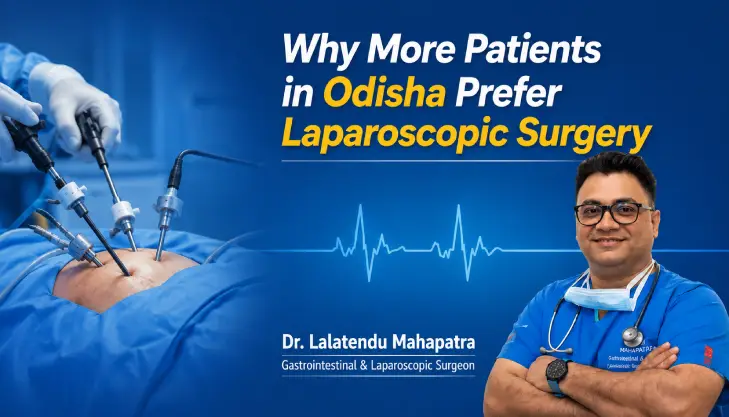
Laparoscopic surgery, also known as minimally invasive surgery, is a modern surgical technique where operations are performed through very small cuts instead of one large incision.
During the procedure, a thin tube with a camera called a laparoscope is inserted into the abdomen. The camera provides a clear view of the internal organs on a monitor, helping the surgeon perform the procedure with high precision.
Specialized surgical instruments are used through small openings to complete the surgery safely and effectively.
This advanced approach is commonly used for:
- Gallbladder surgery
- Hernia repair
- Appendix surgery
- Gastrointestinal procedures
- Colorectal surgery
- Weight loss surgery
- Liver and pancreatic procedures
Why Patients in Odisha are Choosing Laparoscopic Surgery
1. Faster Recovery Time
Recovery is one of the most important concerns for patients and families.
Compared to open surgery, laparoscopic surgery usually allows patients to recover much faster. Many patients can return to normal activities within a shorter period.
Benefits include:
- Reduced hospital stay
- Early mobility
- Faster return to work
- Quicker daily routine recovery
This is particularly beneficial for patients who cannot afford long recovery periods due to personal or professional responsibilities.
2. Less Pain After Surgery
Nobody wants to be in pain longer than necessary. Because laparoscopic surgery involves smaller incisions and less disturbance to surrounding tissues, post-operative pain is noticeably reduced compared to open surgery. Patients typically need fewer pain medications, sleep more comfortably, and feel better far sooner. This matters deeply – not just medically, but emotionally.
3. Minimal Scarring – A Confidence Benefit
A large surgical scar can be a source of emotional discomfort for many patients, especially younger individuals and women. Laparoscopic surgery leaves behind only a few tiny marks – barely visible over time. For patients who are conscious about their appearance, this is a meaningful advantage that contributes to overall well-being and confidence post-surgery.
4. Reduced Risk of Infection and Complications
Smaller incisions mean less exposure of internal organs to the outside environment. This directly reduces the risk of wound infections – a concern that is particularly important in tropical climates like Odisha, where post-operative wound care at home can sometimes be challenging. Other key benefits include:
- Reduced blood loss during surgery
- Lower chance of post-operative hernia at the incision site
- Decreased risk of internal adhesions (scar tissue formation)
- Shorter hospital stay, which further reduces exposure to hospital-acquired infections
5. Shorter Hospital Stay
For many families in Odisha, a prolonged hospital stay creates financial and logistical stress. With laparoscopic procedures, most patients are discharged within 1 to 3 days compared to a week or more with open surgery. This means lower hospital costs, less time away from family, and a quicker return to a normal routine.
6. Better Visibility for the Surgeon – Greater Precision
A common misconception is that because the incisions are smaller, the surgeon can “see less.” In reality, the laparoscopic camera provides a magnified, high-definition view of the internal anatomy – often far superior to what the naked eye sees in open surgery. This enhanced visualization allows for greater surgical precision, especially in delicate areas involving the bile ducts, blood vessels, and intestines.
Common Gastrointestinal Conditions Treated Laparoscopically
As a specialist in surgical gastroenterology treatment in Bhubaneswar, I perform laparoscopic surgery for a wide range of conditions, including:
- Gallstone disease – laparoscopic cholecystectomy (gallbladder removal)
- Appendicitis – laparoscopic appendectomy
- Gastroesophageal reflux disease (GERD) and hiatus hernia – laparoscopic fundoplication
- Colorectal conditions including colon cancer – laparoscopic colectomy
- Hernia repair (inguinal, umbilical, incisional) – laparoscopic hernioplasty
- Obesity and metabolic syndrome – laparoscopic bariatric surgery
- Liver and pancreatic tumors – laparoscopic resections
- Inflammatory bowel disease complications
Patients who want to learn more about hernia symptoms, causes, and treatment options can also watch Dr. Mahapatra’s educational video, “What is Hernia? Know Its Causes and Treatment.” The video helps patients understand how timely diagnosis and modern laparoscopic hernia repair can support faster recovery and better long-term outcomes.
Each of these procedures, when performed laparoscopically by an experienced surgeon, offers excellent surgical outcomes with minimal invasion and faster healing.
Is Laparoscopic Surgery Right for Everyone?
As much as I advocate for the advantages of minimally invasive surgery, I also believe in honest, individualized care. Laparoscopic surgery is not always the first choice in every situation. There are cases where open surgery remains the safer, more effective option – for instance, in certain emergency settings, patients with complex adhesions from previous surgeries, or in specific advanced cancer cases where wider resection is needed.
The decision is always made after a thorough evaluation of your health history, the nature of your condition, and what approach gives you the best outcome. My goal is never to offer the “popular” option – it is always to offer the right option for you.
Why Odisha Patients Trust Laparoscopic Surgery Today More Than Ever
A decade ago, many patients in smaller cities and rural Odisha were hesitant about laparoscopic surgery – partly due to lack of awareness, and partly due to limited access to trained surgeons. That landscape has changed significantly. Here is why more patients are now confidently choosing this approach:
- Greater awareness – Patients today are better informed, often researching before their consultation. They come asking the right questions.
- Proven track record – Laparoscopic surgery has decades of global evidence supporting its safety and effectiveness. Success stories from family members and neighbors build trust.
- Experienced specialists available locally – Access to trained laparoscopic surgeons in Bhubaneswar and major Odisha cities has improved considerably.
- Health insurance acceptance – Most health insurance policies in India now cover laparoscopic procedures, making it financially accessible.
- Faster return to economic productivity – For daily wage workers and self-employed patients, faster recovery directly translates to financial stability.
A Word From Dr. Lalatendu Mahapatra
Over my years of practice as a gastrointestinal surgeon, I have had the privilege of helping thousands of patients through some of the most difficult moments of their lives. Surgery is never a small decision – for the patient or for the family. When I recommend laparoscopic surgery, it is because I genuinely believe it gives you a safer procedure, a more comfortable recovery, and a faster return to the life you love.
If you or a family member has been diagnosed with a gastrointestinal condition and have been advised surgery, I encourage you to have an open conversation with your surgeon about whether laparoscopic surgery is an option for you. Ask questions. Understand your choices. A well-informed patient always heals better.
Schedule a Consultation in Bhubaneswar
If you are looking for a trusted and experienced laparoscopic surgeon in Bhubaneswar, I am here to help. At Manipal Hospital Bhubaneswar, every patient receives personalized care, honest guidance, and access to advanced minimally invasive surgical treatment.
Whether you are dealing with gallstones, hernia, colorectal disorders, or other gastrointestinal conditions, timely medical evaluation is essential. Early diagnosis and appropriate treatment can help prevent complications and lead to better outcomes.
Discover More About Your Health:
👉 What to Expect Before and After Laparoscopic Surgery in Bhubaneswar
👉 Things to Know Before Undergoing Laparoscopic Bariatric Surgery
👉 Laparoscopic Surgery vs. Robotic Surgery: What’s the Difference
👉 Why More Patients in Bhubaneswar Prefer Laparoscopic Surgery
👉 When is Robotic Surgery Better than Laparoscopic Surgery

Related Posts
What Are the Common Causes of Persistent Abdominal...
Persistent abdominal pain can have many causes, ranging from acidity and digestive disorders to gallstones, hernias, pan...
Read More
Digestive Health After 40: Common Conditions You S...
Digestive health can change with age. After 40, some people may notice more frequent acidity, bloating, changes in bowel...
Read More