

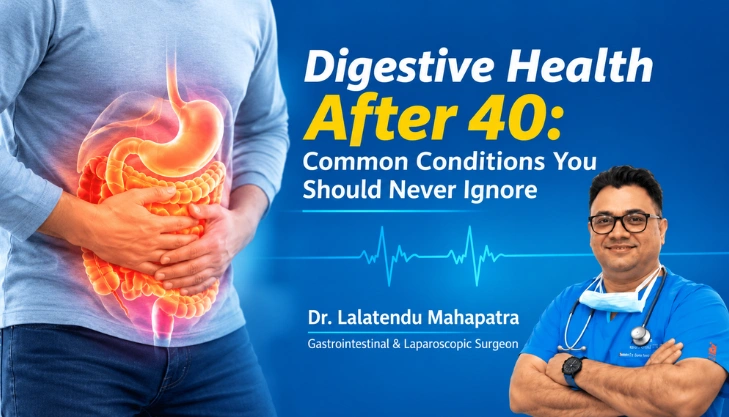
Digestive health can change with age. After 40, some people may notice more frequent acidity, bloating, changes in bowel habits or abdominal discomfort. As a gastrointestinal surgeon practicing at Manipal Hospitals, Bhubaneswar, I often advise patients not to dismiss persistent digestive symptoms as a normal part of ageing.
While occasional digestive problems are common, symptoms that keep returning, become worse or appear without an obvious reason should not simply be ignored. Some digestive conditions are manageable with lifestyle changes and appropriate treatment, while others may need medical evaluation to prevent complications. Understanding the warning signs can help you know when it is time to speak with a doctor.
Why Digestive Health Matters More After 40
Getting older does not mean that digestive problems are inevitable. However, factors such as changes in diet, physical activity, body weight, medications and existing health conditions can influence digestive health.
It becomes particularly important to pay attention to symptoms that are:
- Persistent or frequently recurring
- Becoming more severe over time
- Affecting your appetite or daily activities
- Associated with unexplained weight loss
- Accompanied by changes in bowel habits or bleeding
Early medical evaluation can help identify the underlying cause instead of relying on repeated self-treatment.
Common Digestive Conditions You Should Not Ignore
1. Gastroesophageal Reflux Disease (GERD)
Occasional heartburn is common, but frequent acid reflux may indicate GERD. It occurs when stomach contents repeatedly flow back into the oesophagus, irritating.
Common symptoms include:
- Frequent heartburn
- Acid or food coming back into the mouth
- A sour taste
- Chest or upper abdominal discomfort
- Difficulty swallowing
- Persistent cough or throat irritation in some people
Frequent symptoms should be discussed with a doctor rather than being managed indefinitely with over-the-counter medicines.
2. Peptic Ulcers
Peptic ulcers are open sores that develop in the lining of the stomach or the first part of the small intestine. They can be associated with H. pylori infection or prolonged use of certain pain-relieving medicines.
Possible symptoms include:
- Burning or aching pain in the upper abdomen
- Indigestion
- Bloating
- Nausea
- Feeling full quickly
Black, tarry stools or vomiting blood can indicate bleeding and require urgent medical attention.
3. Gallstones
Gallstones are hardened deposits that can form inside the gallbladder. Some people have them without symptoms, while others develop pain when a stone blocks the normal flow of bile.
Symptoms may include:
- Pain in the upper right or upper middle abdomen
- Pain after eating, particularly after a fatty meal
- Nausea or vomiting
- Pain that may spread towards the back or right shoulder
Severe or persistent abdominal pain, fever or yellowing of the skin or eyes should be evaluated promptly. Learn how gallbladder stones are diagnosed and treated.
4. Irritable Bowel Syndrome (IBS)
IBS is a common condition affecting the digestive system and can cause recurring abdominal discomfort along with changes in bowel habits.
Symptoms may include:
- Abdominal pain or cramping
- Bloating
- Diarrhoea, constipation or both
- Changes in stool frequency or appearance
IBS does not usually damage the digestive tract, but new or significant bowel changes should still be assessed, particularly after 40, rather than automatically being attributed to IBS.
5. Hernias
A hernia occurs when an internal part of the body pushes through a weakened area of muscle or surrounding tissue. Abdominal and groin hernias may become more noticeable with age.
A common sign is:
- A visible or noticeable lump or swelling
- Discomfort that increases with coughing, lifting or straining
- A feeling of pressure at the affected area
A painful lump that cannot be pushed back in, particularly when accompanied by vomiting or severe abdominal pain, needs urgent medical assessment. Read more about hernia surgery and its causes, symptoms, and treatment options.
6. Colorectal Health and GI Cancers
Risk of colorectal and other gastrointestinal cancers rises notably after 40, which is why routine screening matters. Unexplained weight loss, changes in bowel habits, or blood in the stool should never be ignored. Learn about the common types of gastrointestinal cancer to watch for.
7. Haemorrhoids (Piles)
Straining, prolonged sitting, and slower digestion make haemorrhoids more common after 40. While often manageable, persistent bleeding should always be evaluated rather than assumed to be piles.
8. Diverticular Disease
Diverticula are small pouches that can develop in the wall of the colon. They become more common with increasing age. Some people have no symptoms, while others may experience abdominal discomfort or changes in bowel habits.
Sudden or persistent abdominal pain, fever, vomiting or rectal bleeding should not be ignored.
Digestive Warning Signs That Need Medical Attention
Not every digestive symptom indicates a serious condition. However, certain warning signs deserve proper evaluation.
Speak with a doctor if you experience:
- Blood in the stool or black, tarry stools
- Unexplained weight loss
- Persistent or worsening abdominal pain
- Repeated vomiting
- Difficulty or pain while swallowing
- A persistent change in bowel habits
- Ongoing bloating or abdominal swelling
- Loss of appetite that does not improve
- Unusual tiredness associated with other digestive symptoms
- Yellowing of the skin or eyes
Some of these symptoms can have relatively simple causes, but they can also occur with conditions that require timely treatment. The important point is not to assume the cause without an appropriate evaluation.
How to Support Better Digestive Health After 40
Good digestive health is supported by everyday habits. Depending on your individual health needs, useful measures may include:
- Eat a balanced diet with adequate fibre from vegetables, fruits, whole grains and other suitable sources.
- Drink enough water throughout the day.
- Stay physically active and avoid prolonged inactivity.
- Maintain a healthy body weight.
- Limit excessive alcohol consumption.
- Avoid smoking.
- Eat mindfully and pay attention to foods that consistently trigger symptoms.
- Follow medical advice if you already have a digestive condition.
If you increase your fibre intake, do so gradually and maintain adequate fluid intake to reduce the chance of discomfort.
When Should You See a Doctor?
Not every digestive symptom requires immediate medical attention. However, symptoms that are persistent, recurring, worsening or unexplained should not be ignored or repeatedly managed on your own.
You should consider seeing a doctor if:
- Abdominal pain continues or keeps coming back
- Heartburn, indigestion or bloating occurs frequently
- Your bowel habits change and the change persists
- You experience unexplained weight loss or loss of appetite
- You notice blood in your stool or black, tarry stools
- You have difficulty swallowing
- Vomiting is repeated or persistent
- Your abdomen becomes unusually swollen or painful
- Your skin or eyes become yellow
Some symptoms, such as significant bleeding, severe abdominal pain, repeated vomiting or jaundice, require prompt medical attention.
As a gastrointestinal surgeon in Bhubaneswar, I recommend that adults over 40 do not ignore new or persistent digestive symptoms. A timely medical evaluation can help identify the underlying cause and determine whether further investigation or treatment is needed.
Conclusion
Digestive changes after 40 should not always be considered a normal part of ageing. Persistent pain, bowel changes, unexplained weight loss, or other unusual symptoms deserve proper medical attention. Recognising these signs early can help identify problems sooner and support timely treatment.

Related Posts

Why Patients Prefer Minimally Invasive GI Surgery ...
When GI surgery is recommended, patients often worry about pain, hospital stay, scars, and recovery time. GI surgery in ...
Read More
What is the Difference Between Robotic and Laparos...
By Dr. Lalatendu Mahapatra | Gastrointestinal, Laparoscopic & Robotic Surgeon, Manipal Hospitals, Bhubaneswar “...
Read More