

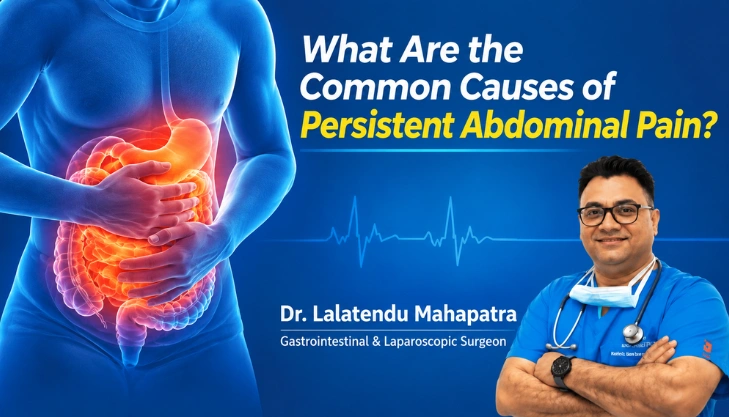
Persistent abdominal pain can have many causes, ranging from acidity and digestive disorders to gallstones, hernias, pancreatitis, and other conditions affecting the abdominal organs. If the pain continues for weeks or keeps returning, it is important to understand what may be causing it rather than relying only on temporary relief.
What Counts as “Persistent” Abdominal Pain?
Occasional stomach discomfort after a heavy meal is normal. Persistent abdominal pain is different – it is pain that lasts for several weeks, keeps coming back, or steadily gets worse instead of settling down on its own.
As a general guide, you can consider your pain persistent if:
- It has lasted more than 2 to 4 weeks, on and off or continuously.
- It disrupts your daily activities, sleep, or appetite.
- It keeps returning even after home remedies or over-the-counter medicines.
- It is associated with other symptoms like weight loss, vomiting, or changes in bowel habits.
Common Causes of Persistent Abdominal Pain
Persistent abdominal pain can come from almost any organ in the abdomen. Below are some of the common causes, grouped by the part of the digestive system they affect.
1. Digestive Disorders
These are among the most frequent causes of ongoing stomach pain.
- Acid reflux (GERD): A burning pain in the upper abdomen and chest, often worse after meals or when lying down.
- Peptic ulcers: Open sores in the stomach or upper intestine lining that cause a gnawing or burning pain, often relieved briefly by food or antacids.
- Irritable bowel syndrome (IBS): Cramping pain linked to bloating, gas, and changes in bowel habits, without any visible damage to the gut.
- Inflammatory bowel disease (IBD): Conditions like Crohn’s disease and ulcerative colitis cause chronic inflammation, leading to recurring pain, diarrhea, and sometimes bleeding.
2. Gallbladder and Liver Related Causes
- Gallstones: Small, hardened deposits in the gallbladder that can cause sharp or cramping pain in the upper right abdomen, especially after fatty meals.
- Chronic cholecystitis: Long-term inflammation of the gallbladder, often linked to repeated gallstone episodes.
- Fatty liver disease: Can cause a dull, ongoing discomfort in the upper right abdomen as the liver becomes inflamed or enlarged.
3. Pancreatic Causes
- Chronic pancreatitis: Long-term inflammation of the pancreas that causes persistent, deep upper abdominal pain, often worse after eating and sometimes spreading to the back.
4. Structural or Surgical Causes
- Hernia: A weak spot in the abdominal wall allows tissue to bulge through, causing pain that worsens with straining, lifting, or coughing.
- Adhesions after previous surgery: Scar tissue from an earlier operation can bind organs together, leading to recurring pain or, in some cases, bowel obstruction.
- Chronic or recurrent appendicitis: Less common, but repeated low-grade inflammation of the appendix can cause pain that comes and goes over time.
5. Other Causes
- Kidney stones: Cause sharp pain in the side or back that can radiate to the lower abdomen and groin.
- Gynecological causes: In women, conditions like endometriosis or ovarian cysts can cause persistent lower abdominal pain.
- Functional abdominal pain: Sometimes pain persists even when tests appear normal. Stress, anxiety, and gut sensitivity can genuinely amplify pain signals from the digestive system.
When Should You See a Doctor for Persistent Abdominal Pain?
Not every stomach ache needs a hospital visit, but certain symptoms should never be ignored. Please consult a doctor promptly if your abdominal pain comes with any of the following:
- Unexplained weight loss
- Blood in vomit or stool, or black, tarry stools
- Persistent fever
- Yellowing of the skin or eyes (jaundice)
- Repeated vomiting or inability to keep food down
- Pain that wakes you up at night or keeps worsening
- A visible lump or swelling in the abdomen
If you notice any of these red-flag symptoms, please do not wait for the pain to “go away on its own.” Early evaluation makes a real difference in outcomes.
Common Causes at a Glance
| Common Cause | Typical Symptoms | Specialist to Consult |
|---|---|---|
| Acid reflux (GERD) | Burning pain in upper abdomen, worse after meals or at night | Gastroenterologist |
| Gallstones | Pain in upper right abdomen, often after fatty meals | GI / Laparoscopic Surgeon |
| Irritable Bowel Syndrome (IBS) | Cramping pain with bloating, altered bowel habits | Gastroenterologist |
| Chronic pancreatitis | Dull, constant upper abdominal pain, worse after eating | GI Surgeon |
| Hernia | Visible bulge with pain that increases on straining | Laparoscopic Surgeon |
| Kidney stones | Sharp pain in side or back, radiating to the groin | Urologist |
How Do Doctors Diagnose the Cause of Abdominal Pain?
Q: What tests are used to diagnose persistent abdominal pain?
Diagnosis usually starts with a detailed history and physical examination, followed by targeted tests based on the suspected cause. Common tests include:
- Blood tests: To check for infection, inflammation, liver or pancreatic function.
- Ultrasound abdomen: A simple, painless scan to look at the gallbladder, liver, kidneys, and other organs.
- Endoscopy or colonoscopy: To directly view the lining of the stomach, esophagus, or intestines and take biopsies if needed.
- CT scan: Provides a more detailed picture, useful for diagnosing appendicitis, pancreatitis, hernias, and tumors.
As a gastrointestinal surgeon, I always emphasize that an accurate diagnosis comes before any treatment decision. Treating the symptom without knowing the cause rarely gives lasting relief.
How Is Persistent Abdominal Pain Treated?
Treatment depends entirely on the underlying cause, and most patients do not need surgery at all.
- Lifestyle and dietary changes: Often the first step for conditions like acid reflux, IBS, and fatty liver disease.
- Medications: Used to control acid production, treat infections, manage inflammation, or relieve pain.
- Minimally invasive surgery: For conditions like gallstones, hernias, chronic appendicitis, or adhesions that do not respond to medical treatment, laparoscopic or robotic gastrointestinal surgery offers smaller incisions, less pain, and quicker recovery compared to open surgery.
Surgery is recommended only when it is genuinely needed and after other options have been considered. The goal is always to give you lasting relief with the least invasive approach possible.
Frequently Asked Questions
Can stress cause persistent abdominal pain?
Yes. Stress and anxiety can genuinely worsen abdominal pain by affecting gut motility and sensitivity, especially in conditions like IBS. However, stress-related pain should still be evaluated to rule out other causes.
Is persistent abdominal pain always a sign of something serious?
Not always, but it should never be ignored. Many causes, like acid reflux or IBS, are manageable and not dangerous. Still, persistent pain deserves a proper evaluation to rule out conditions that do need timely treatment.
How long should abdominal pain last before I see a doctor?
If pain lasts more than 2 to 4 weeks, keeps recurring, or comes with warning signs like weight loss, fever, or vomiting, it is time to consult a gastroenterologist or GI surgeon.
When is surgery required for abdominal pain?
Surgery is usually considered for structural problems such as gallstones, hernias, chronic appendicitis, or bowel obstruction from adhesions, particularly when symptoms persist despite medical treatment.
Final Thoughts
Persistent abdominal pain should not be ignored, particularly when it continues for weeks, keeps returning, or occurs with symptoms such as vomiting, unexplained weight loss, fever, changes in bowel habits, or blood in the stool. Identifying the underlying cause is important because treatment depends on what is causing the pain.
As a Gastrointestinal Surgeon at Manipal Hospitals, Bhubaneswar, I recommend seeking medical evaluation when abdominal pain persists or starts affecting your daily life. Early assessment can help identify the cause and determine whether treatment involves lifestyle changes, medication, further testing, or surgery.
Explore More Digestive Health Tips and Insights:
👉 How to Choose the Right Gastrointestinal Surgeon in Bhubaneswar
👉 Is Surgery the Right Option for Chronic Acid Reflux (GERD)
👉 Patients Prefer Minimally Invasive GI Surgery in Bhubaneswar
👉 A Successful Surgery for a Complex Bile Duct Problem

Related Posts
Digestive Health After 40: Common Conditions You S...
Digestive health can change with age. After 40, some people may notice more frequent acidity, bloating, changes in bowel...
Read More
Why Patients Prefer Minimally Invasive GI Surgery ...
When GI surgery is recommended, patients often worry about pain, hospital stay, scars, and recovery time. GI surgery in ...
Read More