

By Dr. Lalatendu Mahapatra – Gastrointestinal & Laparoscopic Surgeon at Manipal Hospital, Bhubaneswar
Gallbladder-related diseases are becoming increasingly common in modern lifestyles. One of the most frequently seen conditions is Gallstones. Many people remain unaware of this problem until they experience sudden abdominal pain or digestive discomfort.
As a laparoscopic surgeon practicing at Manipal Hospitals Bhubaneswar, I often meet patients who have been silently suffering from gallbladder stones without recognizing the symptoms. Understanding the causes, warning signs, and treatment options can help patients seek timely medical care.
What Are Gallbladder Stones?
The gallbladder is a small organ located beneath the liver. Its main function is to store bile, a digestive fluid produced by the liver that helps break down fats.
Gallstones are solid particles that form inside the gallbladder when substances in bile—such as cholesterol or bilirubin-become imbalanced. Over time, these substances crystallize and form stones that can range in size from tiny grains to large stones.
Some people may have gallstones without symptoms, while others experience severe pain and complications.
Common Causes of Gallstones
Several factors can increase the risk of developing gallstones. Among them, dietary habits and lifestyle play a significant role.
1. Unhealthy Dietary Habits
A diet high in oily, fatty, and processed foods increases cholesterol levels in bile, which can lead to stone formation.
2. Obesity and Weight Gain
Excess body weight changes the composition of bile, making gallstone formation more likely.
3. Irregular Eating Patterns
Skipping meals or long fasting periods can disrupt gallbladder function and promote stone formation.
4. Genetic and Hormonal Factors
Family history, hormonal changes, and certain medications may also contribute to gallstone development.
5. Sedentary Lifestyle
Lack of physical activity affects metabolism and digestion, increasing the likelihood of gallstones.
Symptoms of Gallbladder Stones
In many cases, gallstones remain silent. However, when symptoms occur, patients may experience:
- Sudden pain in the upper right abdomen
- Pain that radiates to the back or right shoulder
- Nausea or vomiting
- Indigestion after fatty meals
- Bloating or discomfort after eating
If a stone blocks the bile duct, it can lead to severe pain or infection and requires urgent medical attention.
Gallbladder Stones Diagnosis
Gallstones are typically diagnosed through imaging tests such as:
- Ultrasound of the abdomen
- Blood tests to evaluate liver function
- CT scan or MRI in complicated cases
Early diagnosis allows timely treatment and prevents complications.
Gallbladder Stones Treatment Options
The treatment for gallstones depends on the severity of symptoms.
Observation
If gallstones are small and asymptomatic, doctors may recommend monitoring without immediate surgery.
Medication
In rare cases, medications may be used to dissolve small cholesterol stones, though this method is less commonly effective.
Laparoscopic Gallbladder Surgery
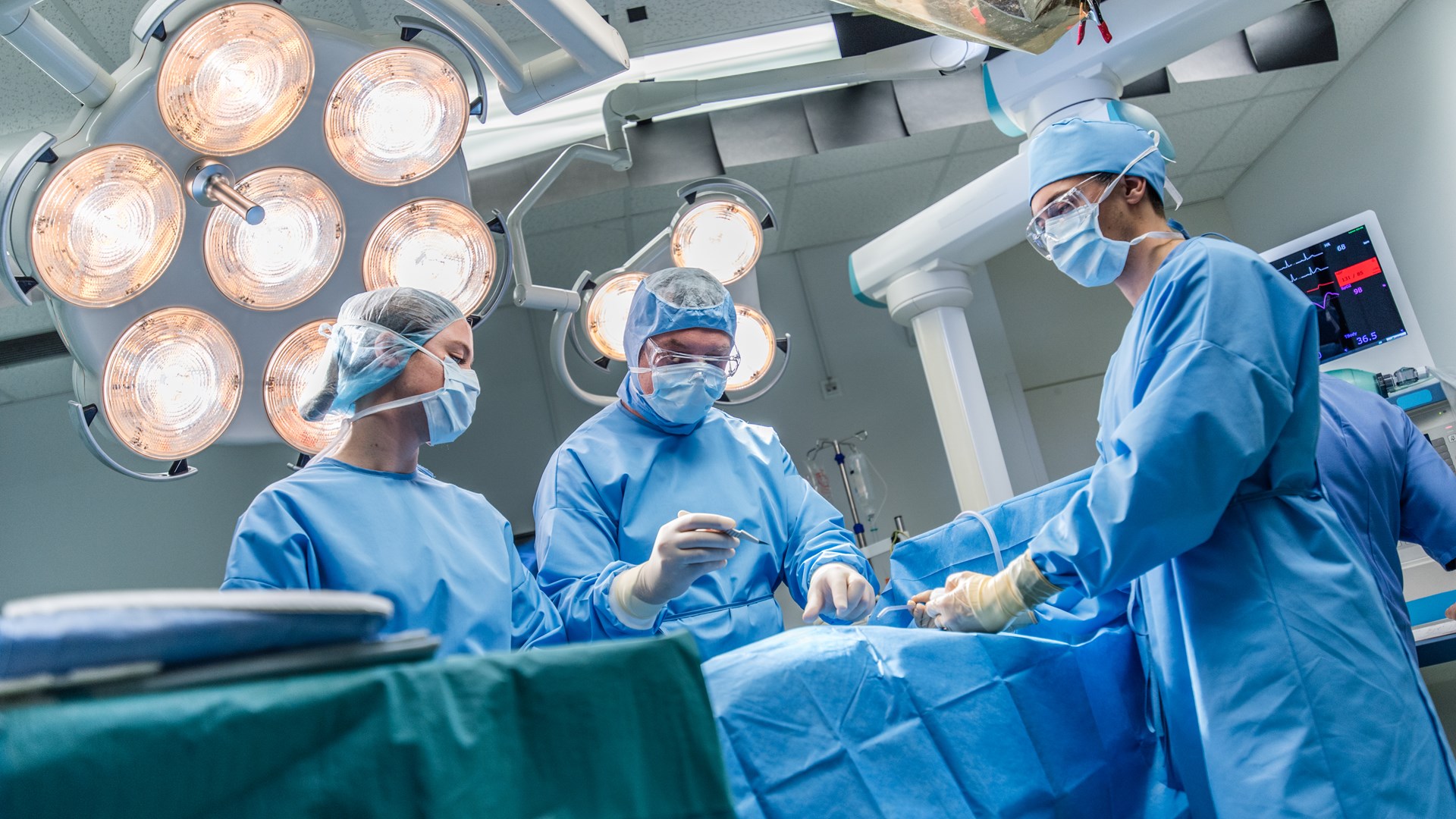
For symptomatic patients, the most effective treatment is laparoscopic gallbladder surgery. This minimally invasive procedure involves small incisions, less pain, and faster recovery.
Most patients return to normal activities within a short period after surgery.
Prevention Tips
While gallstones cannot always be prevented, certain lifestyle changes can reduce the risk:
- Maintain a balanced, low-fat diet
- Exercise regularly
- Avoid rapid weight loss
- Eat meals at regular intervals
- Stay hydrated
Final Thoughts
Gallbladder stones are a common yet manageable condition when detected early. Persistent abdominal pain, digestive discomfort, or unexplained nausea should never be ignored. Consulting a specialist at the right time ensures proper diagnosis and effective treatment.
With modern laparoscopic techniques, gallbladder surgery has become safe, minimally invasive, and highly successful, allowing patients to return quickly to their normal lives.

Related Posts
Common Gastrointestinal Problems & When to Se...
Digestive health plays a very important role in our daily life. When our gastrointestinal (GI) system is not working pro...
Read More
How Long Does GI Surgery Recovery Take?...
Gastrointestinal (GI) surgery is often recommended when digestive problems cannot be treated with medicines or lifestyle...
Read More