
By Dr. Lalatendu Mahapatra – Gastrointestinal & Laparoscopic Surgeon at Manipal Hospital, Bhubaneswar
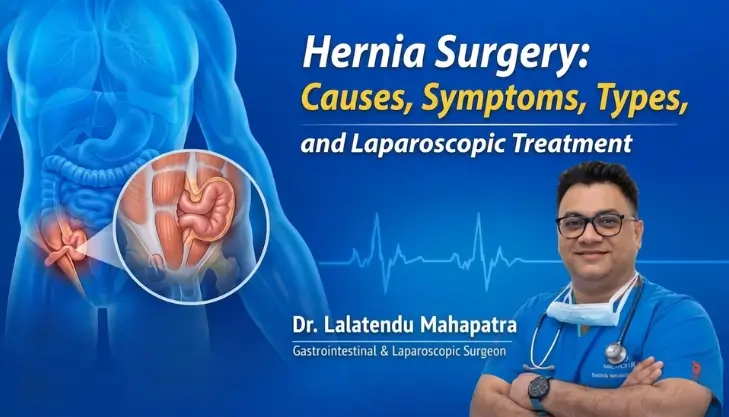
A hernia occurs when an internal organ or tissue pushes through a weak area in the surrounding muscle or connective tissue, most commonly in the abdomen or groin. It often appears as a visible bulge and may cause discomfort or pain, especially while lifting heavy objects, coughing, or standing for long periods. In many cases, surgical repair is the most effective treatment, and laparoscopic hernia surgery offers a minimally invasive solution with faster recovery and less postoperative pain.
What is a Hernia?
A hernia is a common medical condition in which a part of the intestine, fatty tissue, or another organ pushes through a weak spot in the abdominal muscles. This weakness allows the tissue to protrude, forming a soft lump or bulge under the skin.
Hernias can develop gradually over time or appear suddenly after physical strain. While some hernias may initially cause mild discomfort, they usually do not heal on their own and may worsen if left untreated.
Modern surgical techniques, particularly laparoscopic hernia repair , allow surgeons to treat hernias effectively with minimal incisions and quicker recovery.
Causes of Hernia
Hernias generally develop due to a combination of muscle weakness and pressure in the abdomen.
Common causes include:
- Weak abdominal wall muscles
- Heavy lifting without proper support
- Chronic coughing or sneezing
- Obesity or excess body weight
- Straining during bowel movements
- Pregnancy
- Aging-related muscle weakness
- Previous abdominal surgery
These factors increase pressure inside the abdomen, which may cause tissues or organs to push through weak areas.
Symptoms of Hernia
The symptoms of hernia can vary depending on the type and severity of the condition.
Common symptoms include:
- A visible bulge or lump in the abdomen or groin
- Pain or discomfort while lifting, coughing, or bending
- Burning or aching sensation near the bulge
- Feeling of heaviness or pressure in the abdomen
- Swelling that may disappear when lying down
- Weakness or pressure in the groin area
In some cases, hernias may become painful or swollen, especially during physical activity.
If a hernia becomes trapped or strangulated, it may cause:
- Severe pain
- Nausea or vomiting
- Redness or tenderness around the bulge
This situation requires urgent medical attention.
Types of Hernia
There are several types of hernias depending on their location in the body.
Inguinal Hernia
This is the most common type of hernia. It occurs when part of the intestine pushes through the lower abdominal wall near the groin.
Umbilical Hernia
An umbilical hernia occurs around the belly button when abdominal tissue protrudes through the abdominal wall.
Hiatal Hernia
This type occurs when part of the stomach pushes upward through the diaphragm into the chest cavity.
Incisional Hernia
An incisional hernia develops at the site of a previous surgical incision where the abdominal muscles have weakened.
Femoral Hernia
Femoral hernias occur in the upper thigh or groin region and are more common in women.
How Hernia is Diagnosed
A hernia is usually diagnosed through a physical examination by a surgeon.
During the consultation, the doctor may:
- Examine the bulge or swelling
- Ask the patient to cough or strain to observe the hernia
- Evaluate symptoms and medical history
In some cases, imaging tests may be recommended, such as:
- Ultrasound
- CT Scan
- MRI
These tests help confirm the diagnosis and determine the size and location of the hernia.
Treatment Options for Hernia
The treatment for hernia depends on its size, symptoms, and risk of complications.
Non-Surgical Management
For very small hernias without symptoms, doctors may recommend:
- Lifestyle modifications
- Avoiding heavy lifting
- Weight management
- Monitoring the hernia over time
However, most hernias eventually require surgical repair, as they do not heal naturally.
Surgical Treatment
Surgery is the most effective way to repair a hernia and prevent complications.
There are two main surgical methods:
- Open Hernia Repair
- Laparoscopic Hernia Surgery
Laparoscopic Hernia Surgery
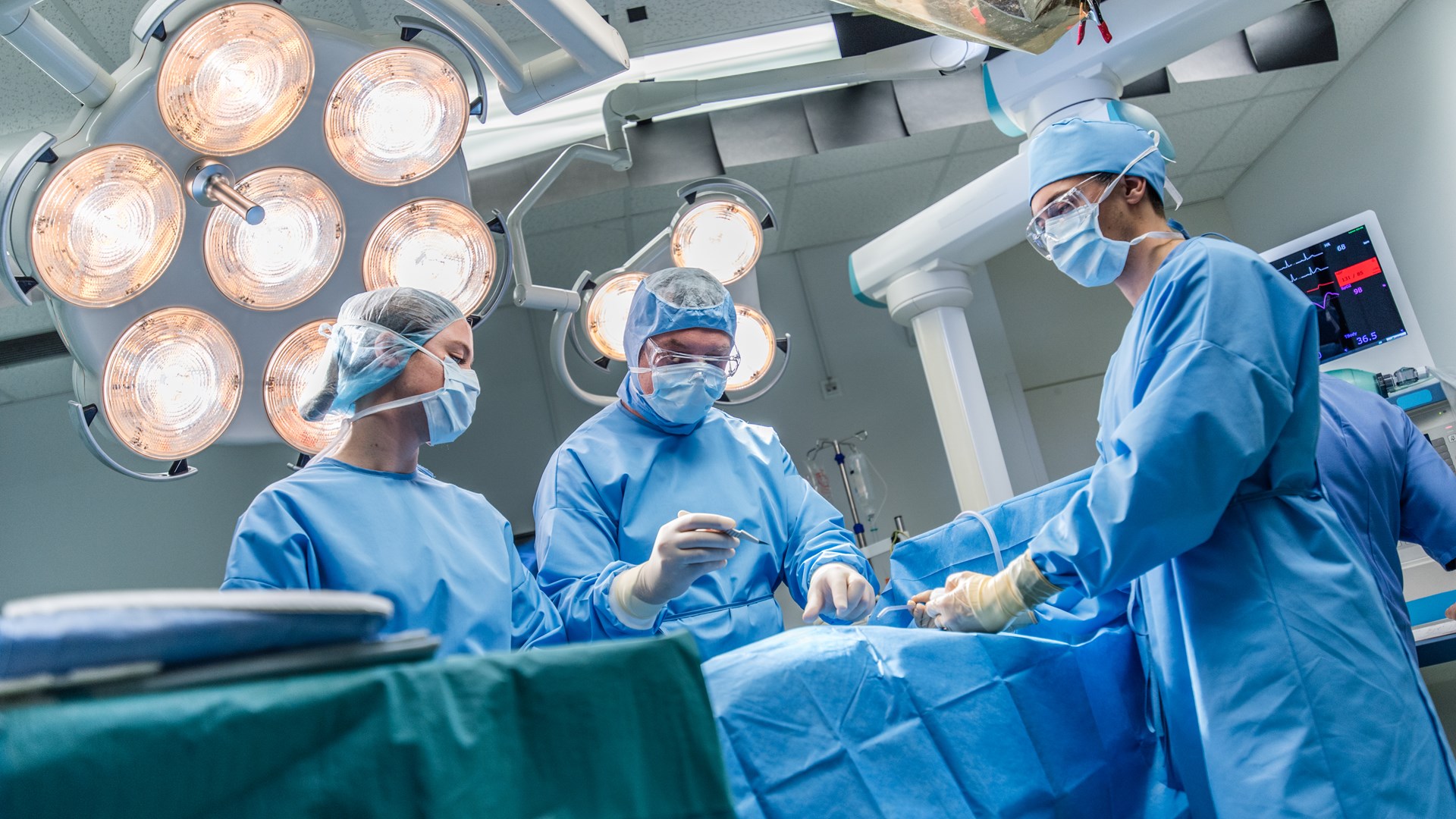
Laparoscopic hernia repair is a minimally invasive surgical technique that uses small incisions and specialized instruments to repair the weakened area of the abdominal wall.
During the procedure:
- Small incisions are made in the abdomen.
- A thin camera (laparoscope) is inserted to view the internal structures.
- The hernia is repaired and reinforced with surgical mesh.
This advanced technique allows the surgeon to repair the hernia with greater precision.
Benefits of Laparoscopic Hernia Surgery
Laparoscopic surgery offers several advantages compared to traditional open surgery.
Key benefits include:
- Smaller incisions
- Less postoperative pain
- Minimal scarring
- Shorter hospital stay
- Faster recovery
- Early return to normal activities
Because of these advantages, laparoscopic surgery has become a preferred treatment option for many patients.
When Should You See a Doctor?
You should consult a surgeon if you notice:
- A bulge in the abdomen or groin
- Persistent pain or discomfort
- Swelling that increases in size
- Difficulty performing daily activities
- Nausea or vomiting along with the bulge
Early diagnosis and treatment can prevent complications and improve recovery outcomes.
Frequently Asked Questions (FAQs)
Can hernia heal without surgery?
In most cases, hernias do not heal on their own. Surgical repair is usually required to permanently fix the weakened abdominal wall.
Is laparoscopic hernia surgery painful?
Laparoscopic surgery generally causes less pain compared to open surgery because it uses smaller incisions.
How long does hernia surgery take?
Most laparoscopic hernia surgeries take about 45 minutes to 1 hour, depending on the complexity of the case.
What is the recovery time after hernia surgery?
Most patients recover within 1–2 weeks and can gradually return to normal activities under medical guidance.
Is hernia surgery safe?
Yes, hernia surgery is a commonly performed procedure and is generally considered safe when performed by an experienced surgeon.
Expert Surgical Care in Bhubaneswar
If you are experiencing symptoms of hernia and looking for expert surgical treatment, consulting a qualified gastrointestinal surgeon is essential.
Dr. Lalatendu Mahapatra is an experienced Gastrointestinal and Laparoscopic Surgeon practicing at Manipal Hospitals. He specializes in advanced minimally invasive surgical procedures, including laparoscopic hernia repair, gallbladder surgery, and other gastrointestinal surgeries.
Early diagnosis and timely treatment can help prevent complications and ensure faster recovery.
Key Takeaways
- Hernia occurs when internal tissue pushes through a weak abdominal muscle.
- Common symptoms include a bulge, discomfort, and pain during activity.
- Hernias usually require surgical repair.
- Laparoscopic hernia surgery offers faster recovery and less pain.
- Early consultation with a surgeon helps prevent complications.

Related Posts
Appendix Pain: Early Symptoms You Should Not Ignor...
By Dr. Lalatendu Mahapatra - Gastrointestinal & Laparoscopic Surgeon at Manipal Hospital, Bhubaneswar Appendix pa...
Read More
Understanding Gallbladder Stones: Causes, Symptoms...
By Dr. Lalatendu Mahapatra - Gastrointestinal & Laparoscopic Surgeon at Manipal Hospital, Bhubaneswar Gallbladder...
Read More