

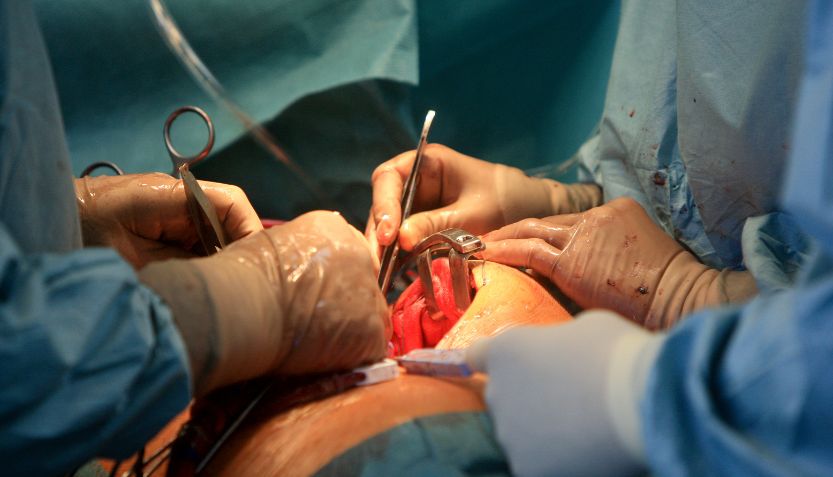
A 55-year-old male patient presented to us with a history of laparoscopic cholecystectomy performed six months ago at another hospital. Following the surgery, he developed a bile duct injury, which was initially managed conservatively by placing an intra-abdominal drain.
Subsequently, the patient developed symptoms suggestive of biliary stricture. Magnetic Resonance Cholangiopancreatography (MRCP) revealed a Type 2 biliary stricture. Due to the complexity of the case, several hospitals had declined to undertake the surgery.
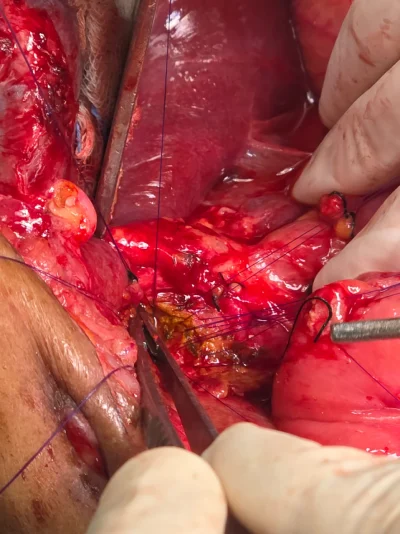
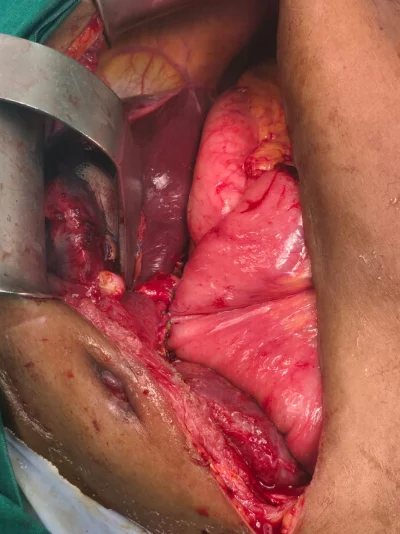
After a detailed evaluation and thorough counseling regarding the risks, benefits, and expected outcomes, we planned for a Hepaticojejunostomy.
During the procedure, intraoperative cholangiogram findings revealed that the stricture was, in fact, a Type 3 stricture involving the hepatic hilum, rather than Type 2 as previously suspected. With careful dissection, meticulous delineation of the hilar structures, and a structured surgical approach, we successfully performed a Roux-en-Y Hepaticojejunostomy.
The patient had an uneventful recovery and was discharged on the 5th postoperative day in stable condition.
Key Takeaway
High biliary strictures (Type 3 and above) are technically demanding and require experienced surgical expertise. Failure at the first attempt can make subsequent surgeries far more challenging. Therefore, careful patient selection, precise dissection, and clear anatomical identification are crucial for achieving optimal outcomes.
Dr. Lalatendu Mahapatra
Senior Consultant – General & Laparoscopic Surgery
Manipal Hospital, Bhubaneswar
www.drlalatendumahapatra.com

Related Posts
Common Gastrointestinal Problems & When to Se...
Digestive health plays a very important role in our daily life. When our gastrointestinal (GI) system is not working pro...
Read More
How Long Does GI Surgery Recovery Take?...
Gastrointestinal (GI) surgery is often recommended when digestive problems cannot be treated with medicines or lifestyle...
Read More