
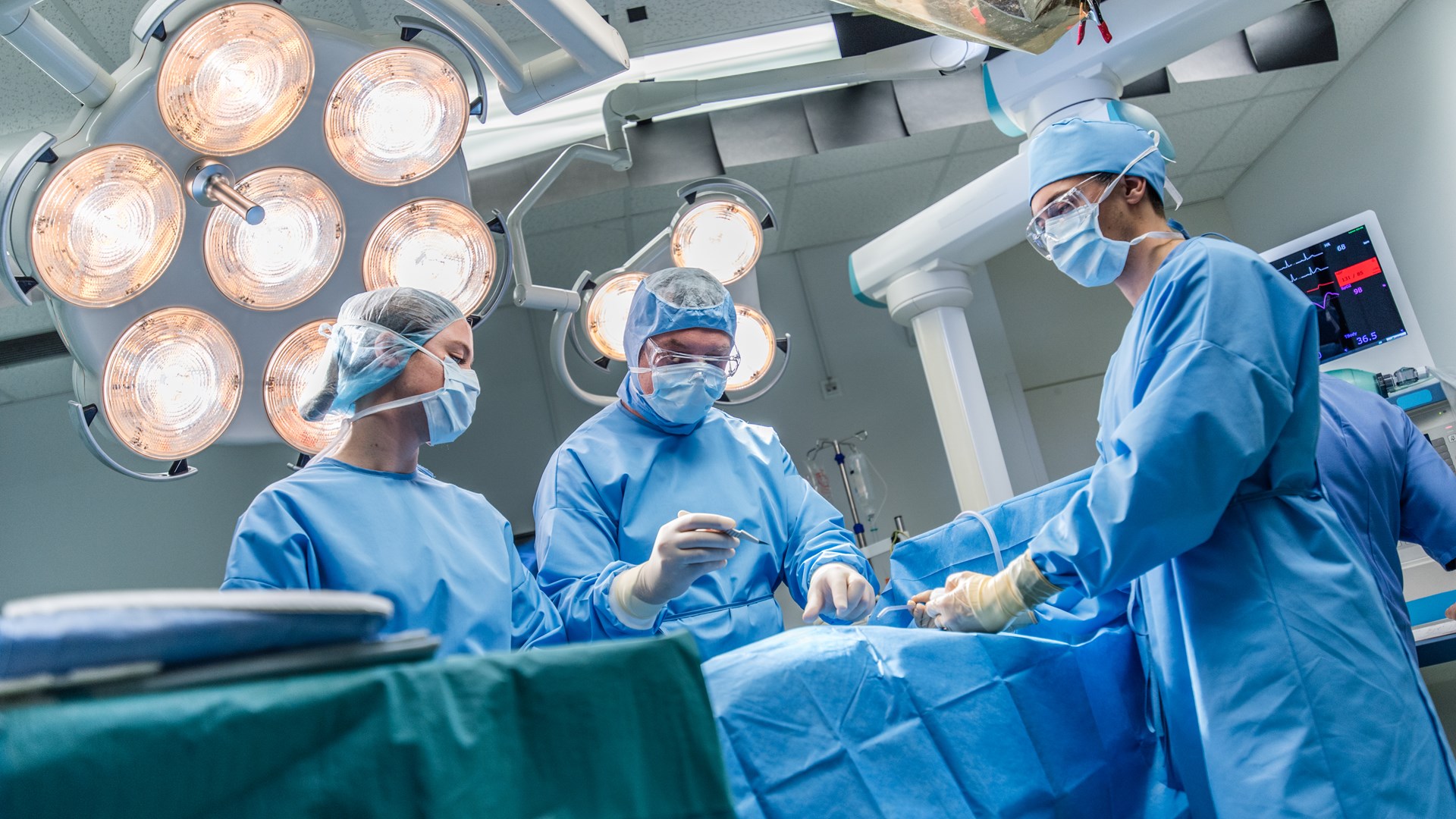
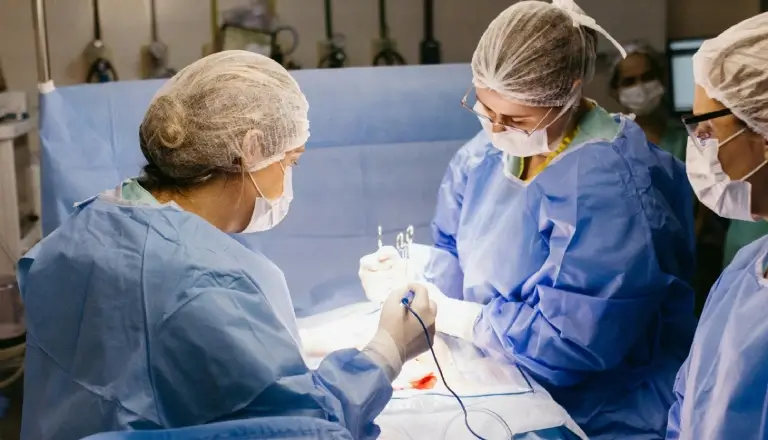
Gastrointestinal (GI) surgery is often recommended when digestive problems cannot be treated with medicines or lifestyle changes alone. One of the most common questions patients ask before surgery is:
“How long will it take to recover after GI surgery?”
The answer depends on several factors, including the type of surgery, the patient’s overall health, and the surgical technique used. This article explains GI surgery recovery in simple terms, so patients can feel more informed and confident.
What Is GI Surgery?
GI surgery refers to surgical procedures performed on the digestive system. This includes the stomach, intestines, gallbladder, appendix, liver, and related organs.
Some common GI surgeries include:
- Gallbladder surgery
- Hernia repair
- Appendix removal (appendectomy)
- Surgery for acid reflux (GERD)
- Intestinal or colon surgery
Many of these procedures are now done using laparoscopic (minimally invasive) techniques, which help patients recover faster.
Average Recovery Time After GI Surgery
1. Laparoscopic GI Surgery Recovery Time
Laparoscopic surgery uses small cuts and a camera to perform the operation.
Typical recovery timeline:
- Hospital stay: 1–3 days
- Light activities: Within 5–7 days
- Return to work: 1–2 weeks
- Full recovery: 2–4 weeks
Because the cuts are small, pain is less and healing is faster compared to open surgery.
2. Open GI Surgery Recovery Time
Open surgery involves a larger incision and is used in complex cases.
Typical recovery timeline:
- Hospital stay: 5–7 days or more
- Light activities: After 2–3 weeks
- Return to work: 4–6 weeks
- Full recovery: 6–8 weeks or longer
Recovery may take more time due to larger wounds and increased physical stress.
Factors That Affect GI Surgery Recovery
Recovery time varies from patient to patient. The following factors play an important role:
✔ Type of Surgery
Minor procedures heal faster than major or complex surgeries.
✔ Surgical Method
Laparoscopic surgery usually allows quicker recovery than open surgery.
✔ Patient’s Age
Younger patients often heal faster, but elderly patients can also recover well with proper care.
✔ Overall Health
Patients with diabetes, heart conditions, or weak immunity may need extra recovery time.
✔ Post-Surgery Care
Following the doctor’s advice on diet, rest, and medications helps speed up recovery.
What to Expect During GI Surgery Recovery
First Few Days After Surgery
- Mild to moderate pain or discomfort
- Tiredness and weakness
- Limited movement
- Liquid or soft diet
These are normal and improve gradually.
First Two Weeks
- Pain reduces significantly
- Patients can walk and do light household activities
- Appetite slowly improves
- Stitches may be removed (if needed)
Full Recovery Phase
- Normal digestion returns
- Energy levels increase
- Patients resume normal daily activities
- Follow-up visits ensure proper healing
Tips for Faster Recovery After GI Surgery
Patients can support their healing by following these simple steps:
- Take prescribed medicines on time
- Follow the recommended diet plan
- Drink enough fluids
- Avoid heavy lifting
- Walk daily as advised
- Attend all follow-up appointments
- Report any unusual pain, fever, or swelling to the doctor
When Should You Contact Your Doctor?
Seek medical help if you experience:
- Severe pain that does not improve
- Fever or chills
- Redness or discharge from the surgical site
- Persistent vomiting
- Difficulty in digestion or bowel movements
Early attention helps prevent complications.
Frequently Asked Questions (AEO Section)
How long does it take to recover from GI surgery?
Most patients recover within 2 to 6 weeks, depending on the type of surgery and overall health.
Is laparoscopic GI surgery recovery faster?
Yes. Laparoscopic surgery usually results in less pain, shorter hospital stay, and quicker recovery.
Can I return to work after GI surgery?
Many patients return to desk work within 1–2 weeks after laparoscopic surgery and 4–6 weeks after open surgery.
Is GI surgery recovery painful?
Some pain is expected, but it is usually manageable with medicines and reduces over time.
Final Thoughts
Recovery after GI surgery is a gradual process, but with modern surgical techniques and proper medical guidance, most patients recover smoothly. Understanding what to expect helps reduce anxiety and allows patients to prepare better.
Choosing an experienced gastrointestinal and laparoscopic surgeon ensures not only safe surgery but also a faster and more comfortable recovery.
If you or your loved one is planning GI surgery, consult a qualified specialist to receive personalized advice and the best possible care.

Related Posts
What Are the Common Causes of Persistent Abdominal...
Persistent abdominal pain can have many causes, ranging from acidity and digestive disorders to gallstones, hernias, pan...
Read More
Digestive Health After 40: Common Conditions You S...
Digestive health can change with age. After 40, some people may notice more frequent acidity, bloating, changes in bowel...
Read More